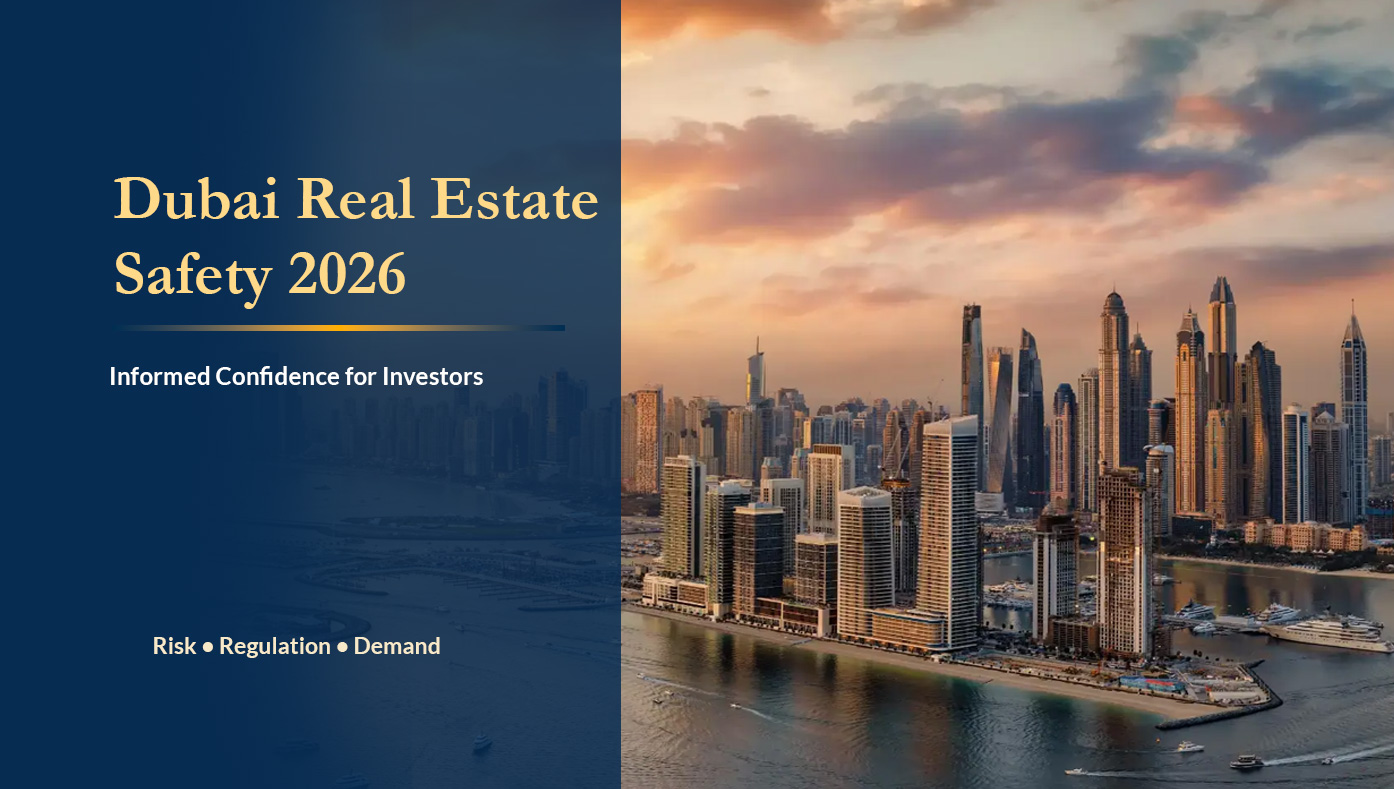
Dubai Property Appreciation Forecast 2026–2030: Area-Level Growth Outlook for Smart Investors

Will Dubai Property Prices Rise? A Strategic Capital Growth Forecast for 2026 and Beyond
For investors exploring Dubai real estate in 2026, one of the most important strategic questions is: Where are property prices heading between 2026 and 2030? While short-term fluctuations attract headlines, serious investors focus on structural trends — population growth, infrastructure expansion, global capital inflow, regulatory stability, and developer discipline.
Dubai has evolved from a speculative cycle-driven market into a regulated, globally competitive real estate ecosystem. As we move toward 2030, multiple macroeconomic and policy factors support continued growth, particularly in well-selected freehold communities. This guide provides a research-based, investor-first analysis of Dubai property appreciation potential, area-level growth drivers, and how to position your capital strategically.
If you are entering the market for the first time, begin with the foundational overview at Buy Property in Dubai Guide and align your timing with the broader Dubai real estate market outlook.
What Drives Property Appreciation in Dubai?
Property appreciation in Dubai is influenced by five core structural pillars:
- Population growth and international migration
- Infrastructure and master-planned community expansion
- Government policy stability and foreign ownership rights
- Global capital diversification into tax-efficient jurisdictions
- Developer supply discipline
Dubai’s population continues to grow steadily, driven by business relocation, digital entrepreneurship, long-term residency programs, and global workforce mobility. The introduction of long-term visas, including property-linked residency, reinforces investor confidence and demand stability.
Dubai Property Market Cycle Position (2026 Perspective)
Dubai’s market historically moves in cycles — expansion, correction, consolidation, and recovery. As of 2026, the market demonstrates characteristics of structured expansion rather than speculative overheating. Regulatory oversight, escrow protections, and financing controls have strengthened since previous cycles.
Compared to earlier growth phases, current price increases are supported by end-user demand rather than purely investor speculation. This suggests a more sustainable appreciation path heading toward 2030.
Area-Level Appreciation Outlook (2026–2030)
Downtown Dubai
Downtown remains one of Dubai’s most globally recognized districts. Limited supply, strong tourism, and premium positioning support long-term value stability.
- Projected Growth Outlook: Moderate to Strong
- Best For: Brand-backed capital preservation
- Investor Profile: Premium and appreciation-focused
Dubai Hills Estate
Dubai Hills continues benefiting from infrastructure expansion, retail development, and family-oriented community appeal.
- Projected Growth Outlook: Strong
- Best For: Hybrid appreciation + stable rental demand
Jumeirah Village Circle (JVC)
JVC has delivered strong rental yield performance. Appreciation potential depends on supply absorption and building quality differentiation.
- Projected Growth Outlook: Moderate
- Best For: Yield-driven investors with selective unit choice
Dubai Marina
Dubai Marina benefits from established infrastructure and waterfront branding. Appreciation tends to follow broader market movement rather than dramatic spikes.
- Projected Growth Outlook: Moderate
- Best For: Liquidity-focused investors
Emerging Master Communities
Emerging freehold zones with new infrastructure development often present early-entry pricing advantages. However, risk management is critical. Supply timing and developer credibility determine appreciation trajectory.
Investors should align these selections with the Freehold Areas in Dubai Guide.
How Developer Strength Impacts Appreciation
Projects launched by established developers often experience stronger resale liquidity and appreciation stability. Brand-backed communities typically maintain pricing power during corrections.
For a detailed breakdown of developer positioning, consult the Dubai Developer Comparison Guide.
Supply Pipeline & Infrastructure Expansion
Dubai’s government closely monitors development supply to avoid oversaturation. Infrastructure investments, including transportation connectivity, retail hubs, and lifestyle amenities, enhance long-term appreciation.
Investors should evaluate not only the current price per square foot but the five-year infrastructure roadmap surrounding the property.
Rental Yield vs Appreciation: Strategic Balance
Some communities deliver stronger rental yield but moderate appreciation. Others offer lower yield but stronger long-term growth. Sophisticated investors often balance both within a diversified portfolio.
Refer to the Dubai Rental Yield Map 2026 to compare income performance across districts.
Risks That Could Affect Appreciation
- Global interest rate volatility
- Oversupply in specific micro-markets
- Macroeconomic slowdowns
- Geopolitical instability
However, Dubai’s diversified economy and regulatory transparency mitigate many of these risks compared to emerging markets.
2030 Vision & Long-Term Outlook
Dubai’s Vision 2030 strategy emphasizes economic diversification, tourism expansion, and international business positioning. These macro factors support continued real estate demand.
Investors entering between 2026 and 2027 may position themselves ahead of infrastructure maturation cycles extending toward 2030.
Strategic Recommendations for Investors
- Prioritize infrastructure-backed communities
- Balance yield and appreciation
- Choose reputable developers
- Model financing carefully
- Plan exit strategy before entry
Transaction cost alignment should also be reviewed through the Dubai Property Transaction Cost Guide.
Final Outlook: Is 2026–2030 a Good Time to Invest in Dubai?
Based on current market fundamentals, population growth, infrastructure expansion, and regulatory stability, Dubai remains positioned for structured appreciation between 2026 and 2030. However, capital growth will be location-specific rather than universal.
Investors who combine disciplined area selection, developer analysis, and financing structure are best positioned to capture both yield and appreciation in this cycle.