Dubai Real Estate for Wealth Preservation (2026): Why Global Buyers Still See the UAE as a Strategic Property Market
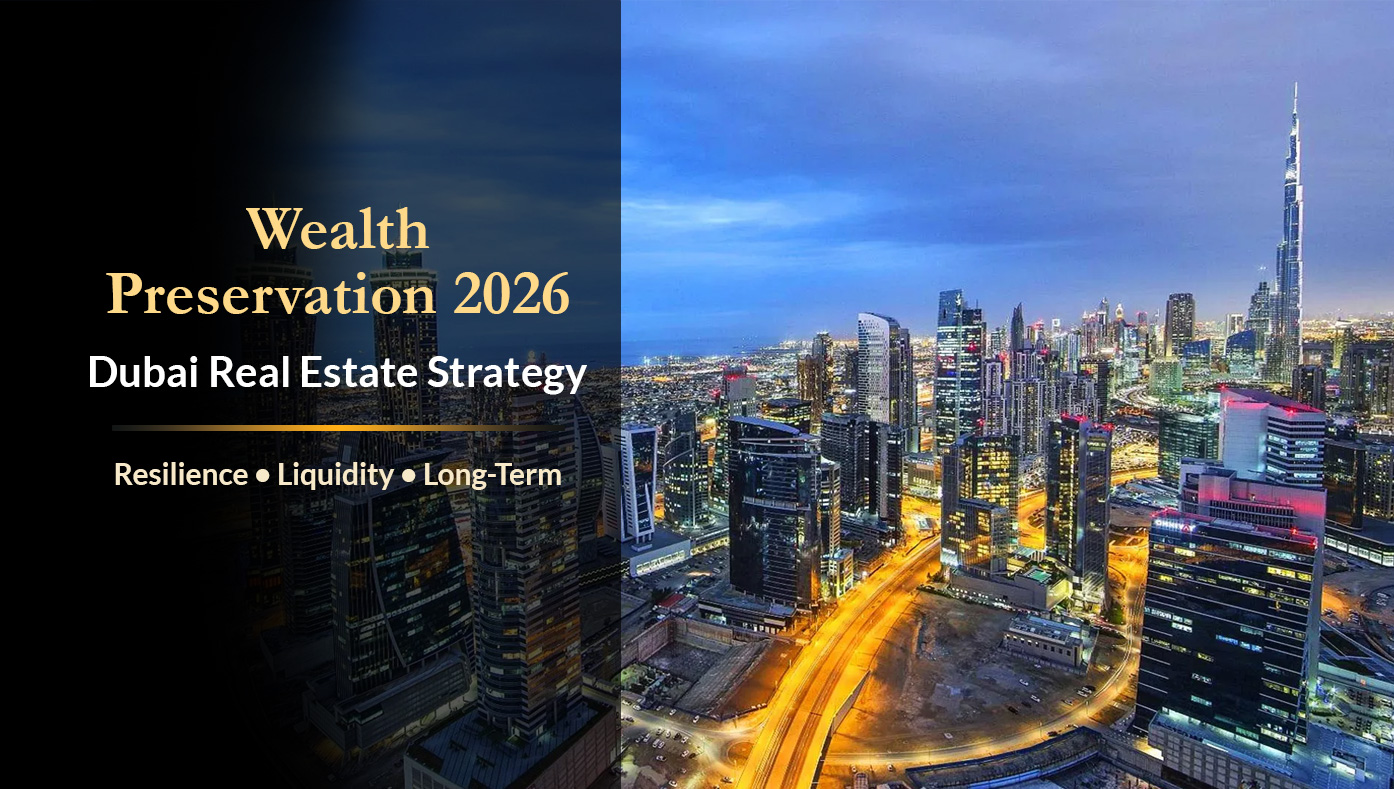
In property, preservation matters just as much as growth. The strongest buyers are not only chasing upside — they are protecting capital, improving international flexibility, and placing money in markets that remain relevant across different cycles.
When experienced international buyers look at Dubai real estate investment, they are not always entering the market for short-term speculation. In many cases, the bigger objective is stability. They want exposure to a globally relevant city, ownership in a market with broad international demand, and property that can sit inside a wider long-term capital strategy.
That is exactly why Dubai real estate for wealth preservation continues to attract serious attention in 2026. The city offers a combination that many investors value: strong global visibility, international buyer participation, practical ownership pathways, lifestyle relevance, and the ability to hold property in communities that continue attracting residents, tenants, and end users over time.
For many global buyers, the decision is no longer only about whether Dubai can grow. It is about whether Dubai can protect value more intelligently than other options being considered at the same time.
Why wealth preservation has become a more important property objective
In uncertain periods, investors tend to change the way they think about real estate. The conversation becomes less about excitement and more about durability. Buyers start asking stronger questions. Which markets still attract real capital? Which properties remain understandable to future buyers? Which locations continue to make sense when sentiment becomes more selective? Which assets can hold their place inside a serious portfolio without requiring perfect conditions to perform?
This is where wealth preservation enters the discussion. A strong property market does not need to promise unrealistic returns to be valuable. In many cases, the real strength lies in its ability to remain usable, liquid, and strategically relevant across different phases of the market.
That is why the stronger starting point for international buyers is not only broad interest in Dubai, but a more structured understanding of how to buy property in Dubai the right way, what a smarter buying strategy looks like in 2026, and how the benefits and trade-offs of Dubai ownership should be measured properly.
What makes Dubai relevant for long-term capital protection
Wealth preservation in Dubai property is not built on one single advantage. It is built on a combination of factors that work together. International visibility matters. Freehold ownership options matter. Rental demand matters. Infrastructure matters. The city’s business appeal matters. The quality of lifestyle and global accessibility matter. Most importantly, the market remains understandable to a wide pool of global buyers.
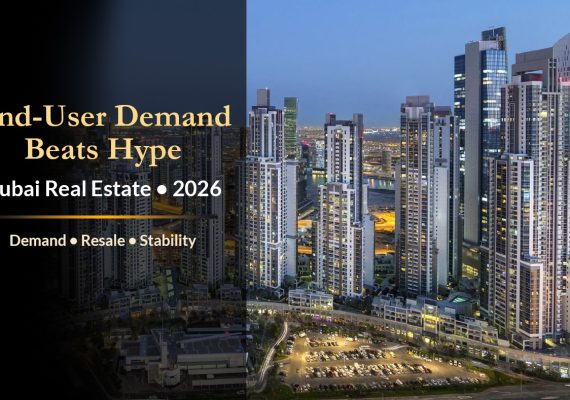
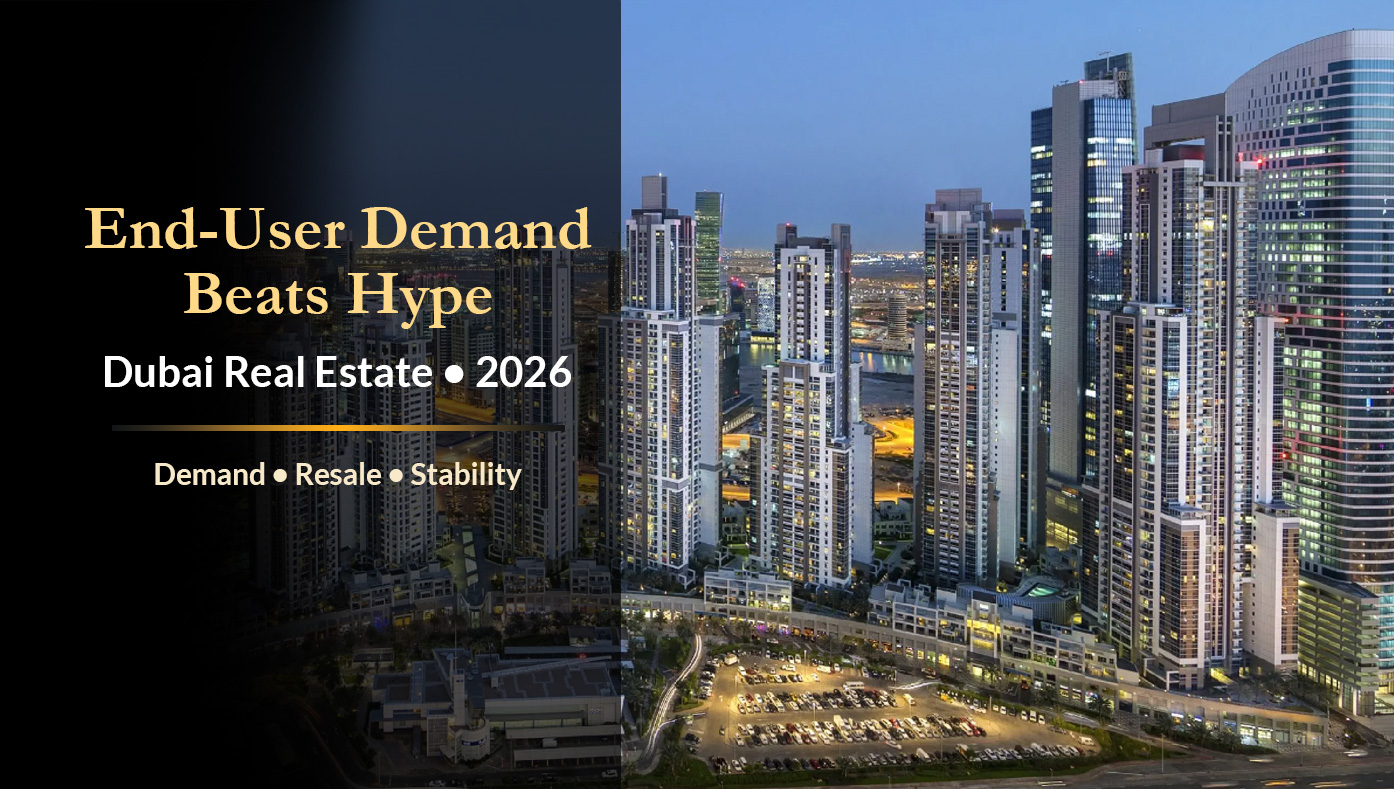
That matters because a property is easier to protect when more people can justify owning it. Markets with broad buyer logic tend to hold attention more effectively than markets that depend on one narrow audience or one temporary narrative.
This is why serious buyers often connect the preservation case in Dubai with wider strategic checks around how safe Dubai real estate still looks in 2026, which properties are easier to exit cleanly, and which communities hold up better when buyer behaviour becomes more selective.
Why international buyers often treat Dubai as more than a single-property decision
For many overseas investors, buying property in Dubai is not simply a standalone purchase. It is part of a wider international capital plan. The property may sit alongside business interests, cross-border mobility goals, family relocation possibilities, long-term income strategy, or global diversification objectives.
That changes how the market is evaluated. Instead of asking only whether a unit can rise in price, the buyer asks whether the asset improves overall portfolio resilience. Can it produce income? Can it be sold without excessive difficulty later? Does it sit in a city that continues attracting global attention? Does it create optionality for the future?
This is exactly why many buyers compare Dubai against other major markets through a more strategic lens, linking the decision to the broader case for buying property in Dubai, how overseas investors should approach the market from abroad, and how currency planning can affect long-term ownership comfort.
Why prime and defensive communities matter more in preservation-led buying
Not every part of Dubai supports the same kind of wealth-preservation logic. Buyers focused on long-term capital protection usually perform better when they avoid weak, overly narrow, or poorly differentiated stock. The stronger route is to focus on communities with proven demand, clearer identity, better resident appeal, and a wider future buyer pool.
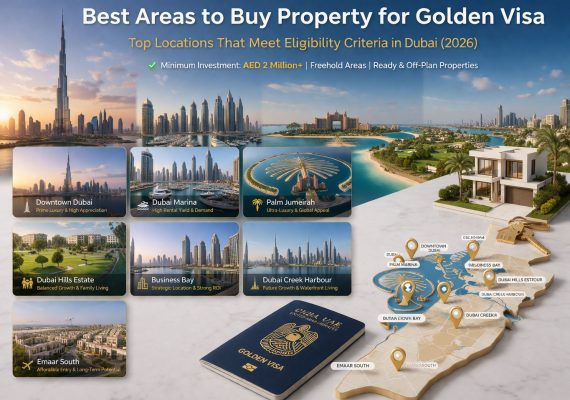
This is where defensive Dubai communities matter. Locations such as well-established family districts, prime central apartment markets, and stronger mixed-use residential zones tend to offer more durable relevance than places that still rely too heavily on projected momentum.
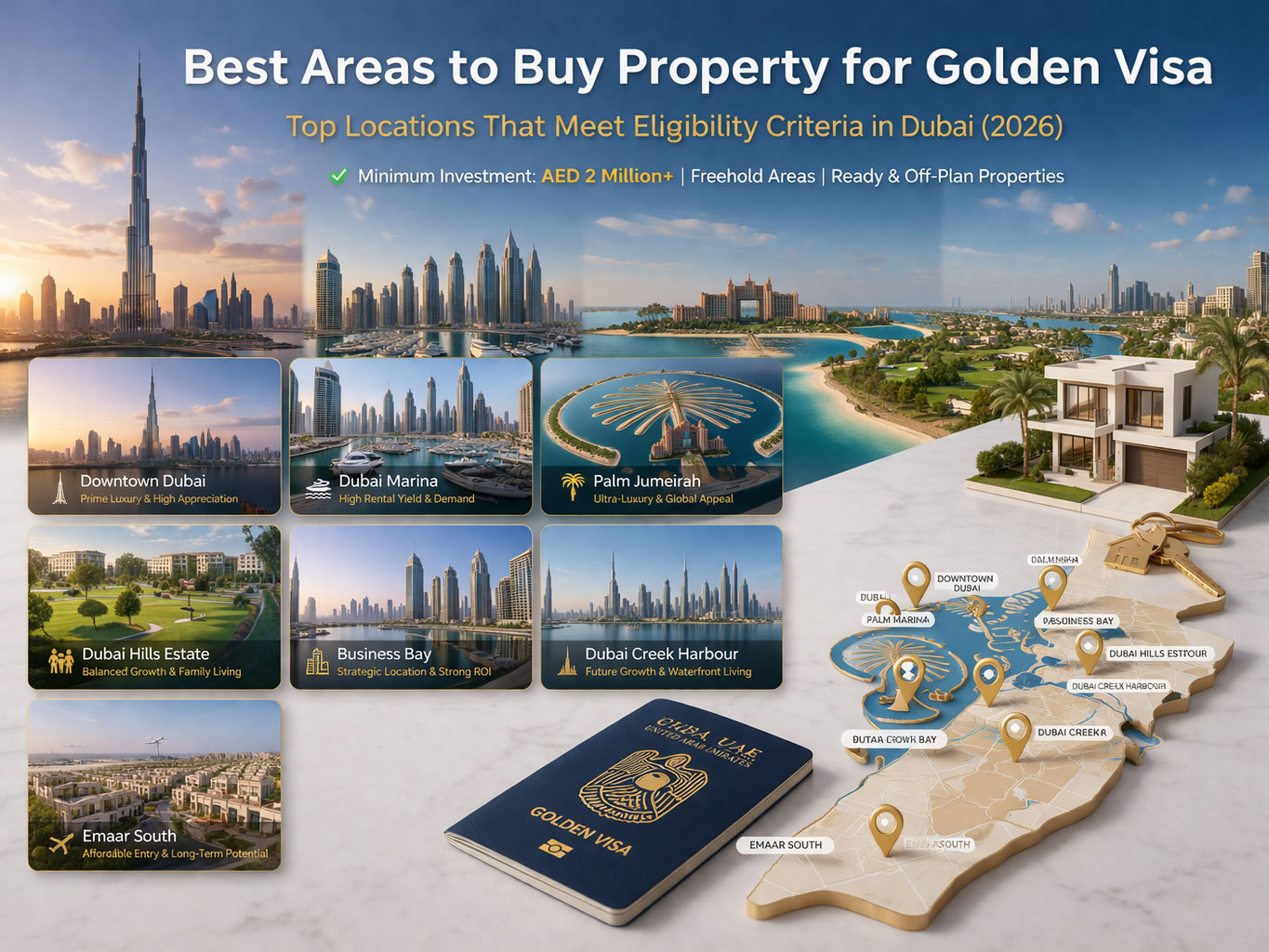
That is why preservation-led buyers often connect community selection to which areas remain the most compelling for serious investors, where foreign ownership gives buyers stronger flexibility, and how to reduce vacancy exposure over the long term.
Preservation is not only about luxury — it is about quality and relevance
Many people assume wealth preservation automatically means ultra-prime property. While prime assets can certainly play a role, the real principle is broader. Preservation is about owning the kind of property that remains relevant, desirable, and understandable through different market conditions.
Sometimes that means prime waterfront or branded stock. In other cases, it may mean a well-positioned apartment in a highly functional urban district, a family-led villa in a proven community, or a quality unit in a location with stable resident demand and stronger rental depth.
The asset does not have to be the most expensive to be strategically strong. It needs to be the kind of property that makes sense to the next buyer as well as the current one.
This is where sharper investors move beyond surface appeal and connect their selection to which areas remain the most compelling for serious investors, where foreign ownership gives buyers stronger flexibility, and how to reduce vacancy exposure over the long term.
Why rental depth strengthens the preservation case
An asset is easier to protect when it can produce income with reasonable consistency. That is why rental demand in Dubai matters so much for wealth preservation. Buyers are not only looking at headline values. They are looking at whether the property can support itself as part of a longer-term hold.
Properties in stronger rental corridors often give buyers more options. They can hold for income, adjust strategy over time, or sell from a more stable position because the property has already proved useful in the market. This creates a healthier ownership profile than an asset that depends only on appreciation to justify itself.
That is exactly why preservation-led investors often compare opportunities through where rental performance is strongest, how different property types perform on real returns, and how operating costs influence the quality of the investment.
Liquidity matters just as much as appreciation
One of the clearest weaknesses in many preservation strategies is ignoring exit quality. An asset may look prestigious, but if it becomes difficult to sell when plans change, the preservation argument weakens quickly.
This is why Dubai property liquidity matters so much for high-quality long-term buying. A preservation-led property should not only be desirable today. It should remain understandable and saleable later. It should appeal to more than one future buyer type. It should sit in a location the market can interpret clearly.
That is why a serious wealth-preservation approach naturally links to how the resale market behaves in practice, why exit planning should begin before purchase, and which property characteristics support cleaner resale outcomes.
Cash flow, flexibility, and financing still need to be balanced properly
Even preservation-focused buyers need to think carefully about structure. An asset purchased for capital protection can still become uncomfortable if the buyer stretches too aggressively, locks too much liquidity into one deal, or underestimates future holding costs.
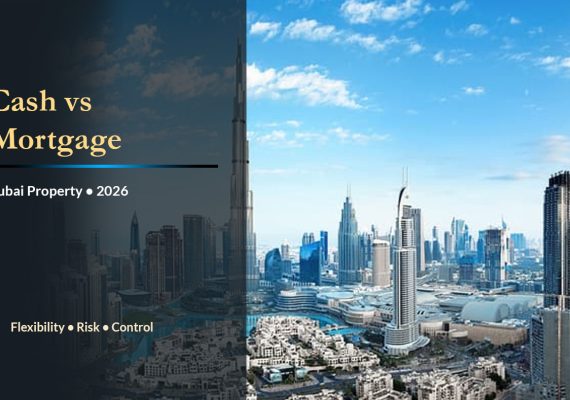
This is why strong buyers do not separate wealth preservation from funding strategy. They review whether paying outright or financing part of the purchase creates a stronger long-term position, whether enough reserve remains outside the asset, and whether the property still fits comfortably if the hold period becomes longer than expected.
That is exactly where a more balanced decision comes from, tying the purchase to the cash-versus-mortgage decision in Dubai, the true cost of entering the market, and the broader ownership reality behind buying in Dubai.
Why family offices and high-net-worth buyers keep watching Dubai
High-net-worth investors in Dubai real estate often think in a more layered way than ordinary transactional buyers. They are not only looking at yield or launch pricing. They are thinking about jurisdiction quality, long-term demand, international recognisability, family utility, optional relocation value, and how the asset fits into a broader global allocation strategy.
This is one reason Dubai continues to stay relevant. It offers property choices that can serve more than one purpose at once. A well-chosen asset can support capital preservation, lifestyle flexibility, future occupancy, and long-term value retention within the same market.
That kind of multi-purpose relevance is difficult to ignore in an increasingly selective global investment environment.
Where the stronger preservation decision usually lands
The strongest Dubai property investment for wealth preservation is rarely built around chasing whatever is newest or loudest. It is usually built around quality, clarity, and long-term usefulness.
That means focusing on communities with real demand, properties with broad buyer appeal, buildings that maintain their quality, and acquisition structures that protect flexibility rather than reduce it. It also means treating the purchase as part of a serious capital plan, not as a one-time speculative move.
When that mindset is in place, Dubai becomes far more than an attractive market. It becomes a practical long-term holding environment for global buyers who care about resilience as much as growth.
Closing view
Dubai real estate for wealth preservation continues to make sense in 2026 because the city offers more than short-term opportunity. It offers relevance. It offers demand. It offers global visibility. Most importantly, it offers buyers the ability to place capital into property that can remain useful, income-generating, and strategically valuable over time.
The buyers who usually benefit most are not the ones chasing the market emotionally. They are the ones building a long-term position with clarity, discipline, and a sharper understanding of what quality ownership really looks like in Dubai.
That is where preservation becomes practical. Not as a theory, but as a real property strategy.
Looking to protect capital, diversify internationally, and choose the right Dubai property for long-term strength? Connect with Aeon & Trisl to compare resilient communities, evaluate asset quality, and build a property strategy designed around preservation, flexibility, and smarter growth.