Rental Yield & Passive Income in the UAE (2026)
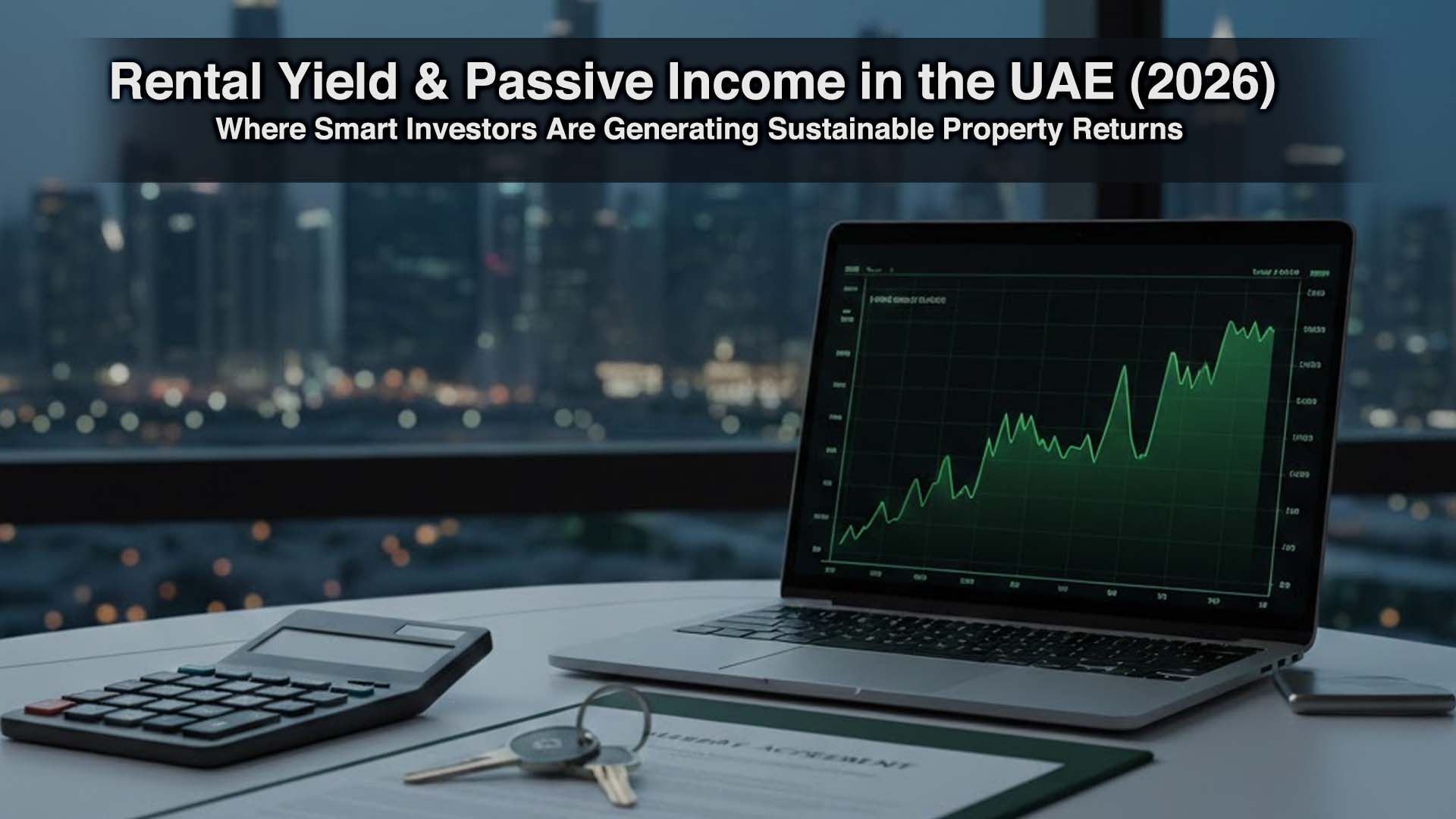
Where Smart Investors Are Generating Sustainable Property Returns
The UAE real estate market continues to position itself as one of the most attractive global destinations for investors seeking rental yield and sustainable passive income. In 2026, the country, particularly Dubai, remains a standout performer due to its tax-efficient structure, expanding population base, strong transaction volumes, and diversified economy. For investors focused on building reliable income streams rather than short-term speculation, understanding rental dynamics and location performance is essential.
Understanding Rental Yield in the UAE
Rental yield is the annual rental income generated by a property expressed as a percentage of its purchase price. It remains one of the most important indicators for income-focused real estate investors.
For example, if a property is purchased for AED 1,000,000 and generates AED 80,000 annually in rent, the gross rental yield equals 8 percent. In 2026, gross rental yields across UAE communities typically range between 5 percent and 9 percent, depending on area, asset class, and entry price. Compared to mature global cities such as London or New York where yields often average between 2 and 4 percent the UAE continues to offer a stronger income profile.
Why the UAE Remains a Passive Income Leader in 2026
Tax-Free Rental Income Advantage
One of the UAE’s strongest competitive advantages is the absence of personal income tax on rental earnings. Investors retain a higher portion of their gross rental income, significantly improving net return compared to heavily taxed global markets.
Population Growth Supporting Rental Demand
Steady demographic growth continues to support rental market strength. The UAE’s expanding expatriate workforce, long-term residency reforms, and pro-business environment have driven sustained housing demand. As more residents relocate for employment and lifestyle opportunities, occupancy levels remain strong across mid-market and prime communities.
Strong Market Liquidity and Transaction Volumes
High transaction volumes and continued investor participation reflect market resilience. Liquidity is essential for passive income investors, as it reduces exit risk and supports capital stability.
High-Yield Communities in 2026
Emerging and mid-market areas often produce the highest rental yields because of relatively lower acquisition prices combined with consistent tenant demand.
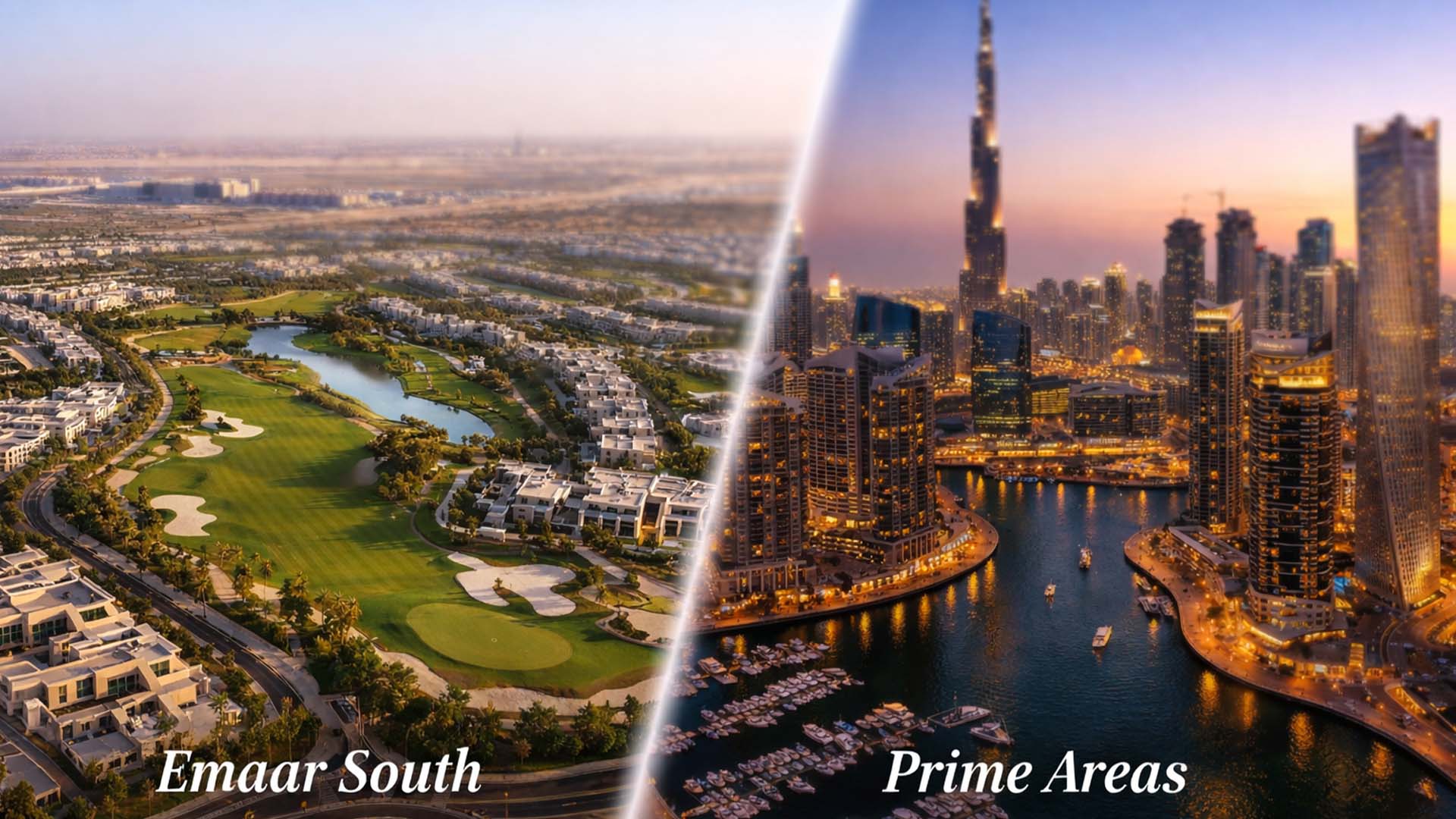
Communities such as Jumeirah Village Circle (JVC), Dubai South, Al Furjan, International City, and Dubailand clusters frequently generate gross yields between 7 and 9 percent. These locations attract working professionals and families seeking affordability and accessibility.
Lower entry pricing enhances rent-to-price ratios, allowing investors to optimize cash flow while benefiting from infrastructure-driven growth.
Prime Areas: Stability with Balanced Returns
Established districts continue to offer strong tenant stability and long-term appreciation potential, although yields are slightly compressed due to higher property values.
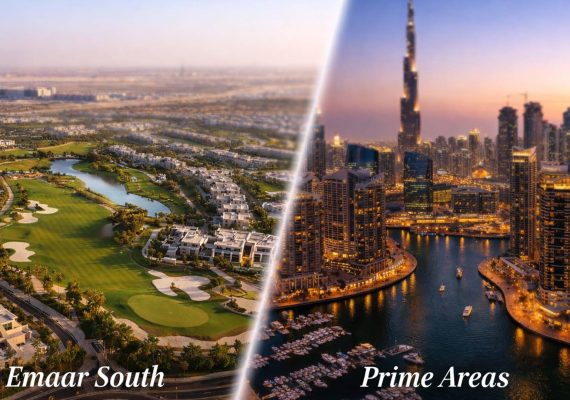
Areas such as Downtown Dubai, Dubai Marina, Dubai Hills Estate, and Palm Jumeirah typically produce yields ranging between 5 and 7 percent. While the percentage return may be lower compared to emerging districts, these areas benefit from global recognition, lifestyle appeal, and strong resale liquidity.
Investors in prime areas often prioritize capital preservation, brand positioning, and long-term equity growth alongside rental income.
Apartments vs Villas: Which Generates Better Income?
Apartments: Higher Yield Efficiency
Apartments particularly one- and two-bedroom units tend to deliver stronger rental yields. They require lower upfront investment, have broad tenant demand, and generally involve manageable maintenance costs. These factors contribute to quicker leasing cycles and consistent occupancy.
Villas and Townhouses: Capital Growth Focus
Villas and townhouses attract family tenants and often demonstrate strong appreciation during growth cycles. However, due to higher purchase prices, yield percentages are typically lower compared to apartments. Investors focused primarily on maximizing passive income often favor smaller apartment units in high-demand communities.
Long-Term vs Short-Term Rental Strategies
Long-Term Leasing
Long-term rentals provide predictable cash flow, reduced operational involvement, and lower vacancy risk. This strategy remains the preferred approach for conservative investors seeking steady passive income.
Short-Term Rentals
Short-term or holiday rentals can produce higher gross revenue in tourism-driven districts, but they involve increased management costs, regulatory considerations, and seasonal fluctuations. While profitable in certain prime areas, they require active oversight.
In 2026, long-term leasing remains the most stable and scalable passive income strategy for most investors.
Key Factors That Influence Rental Yield
Rental yield is influenced by multiple variables beyond headline rent figures.
Entry price plays a crucial role purchasing at the right valuation improves overall yield metrics. Service charges must be carefully analyzed, as high maintenance fees reduce net income. Connectivity to major highways, metro stations, business hubs, and employment centers significantly impacts occupancy rates. Monitoring upcoming supply deliveries is equally important, as oversupply in a specific segment can temporarily affect rental growth.
Passive Income Strategy for 2026 Investors
A structured investment strategy enhances both income stability and growth potential. Diversifying across multiple communities reduces localized risk. Targeting properties near employment hubs strengthens tenant demand resilience. Adopting a medium- to long-term holding period of five to ten years allows investors to benefit from rental income as well as capital appreciation.
Experienced investors often combine one high-yield property in an emerging district with one prime-area asset to balance cash flow and long-term value growth.
Risks and Market Considerations
Although the outlook remains positive, investors should remain aware of global economic factors such as interest rate movements, currency fluctuations, and international capital flow shifts. Due diligence on developer credibility, project timelines, and supply pipelines remains essential for protecting capital and ensuring sustainable returns.
2026 Outlook: Income Stability with Growth Potential
The rental yield and passive income environment in the UAE remains fundamentally strong. Continued population expansion, economic diversification initiatives, infrastructure investments, and regulatory stability collectively reinforce the country’s position as a leading property investment destination.
For income-driven investors, the UAE in 2026 offers a compelling combination of competitive yields, strong liquidity, and long-term capital growth opportunities within a transparent and globally connected marketplace.
Ready to Build Your Passive Income Portfolio?
If you are considering investing in high-performing rental assets, our advisory team provides in-depth rental yield analysis, area comparisons, and customized property recommendations aligned with your financial goals.
Contact us today to explore investment opportunities designed to maximize your passive income in 2026 and beyond.
References
Dubai Land Department – Annual Real Estate Report 2025/2026
Dubai Statistics Center – Population Growth and Housing Demand Report (latest edition).
CBRE Middle East – Dubai Residential Market Outlook 2026
Knight Frank – UAE Residential Market Review 2025/2026
JLL Middle East – UAE Real Estate Market Overview 2026
Global Property Guide – UAE Rental Yield Report 2025/2026
Property Monitor (Cavendish Maxwell) – UAE Residential Market Report
UAE Central Bank – Economic Outlook Report 2026
Dubai South – Official Development and Infrastructure Updates impacting residential demand.